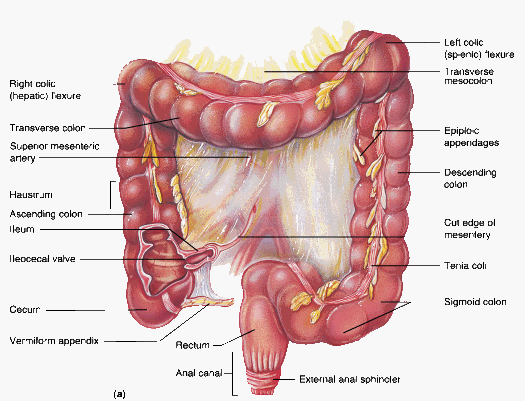
Colon
Most specialists now agree that a poorly functioning digestive system is the root cause of most disease. The small intestine is 27 feet long and if spread out covers the entire length of a tennis court. The small intestine must be alkaline (at a pH of 8.2 – 8.5) in order for digestion and absorption of nutrients to successfully occur through the intestinal wall and into the blood stream. There must also be significant numbers of pro-biotics or ‘good bacteria’ to maintain the proper balance of micro-organisms in both the small and large intestines. When the small intestine is acidic from poor acid/alkaline balance and excessive ‘bad bacteria’, digestion will be severely impaired.