
Candida Infection
| |

Candida Infection

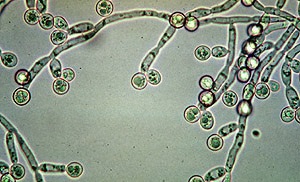
Candida is Latin for yeast in the body. Candida is a type of fungus that flourishes in an unhealthy, acidic body. Candida can be found normally in a healthy digestive tract. Unfortunately, Candida grows very rapidly and can overrun the entire body. We commonly hear of Candida infections by women getting yeast infections or children getting thrush. The reality is Candida goes way beyond these two conditions. Candida yeast is opportunistic and it preys and thrives on weakened areas of the body. Candida lives on sugar and thrives in an acidic body. They deposit their waste in our cells and our blood stream, further polluting our body.
Colon
| |

Colon

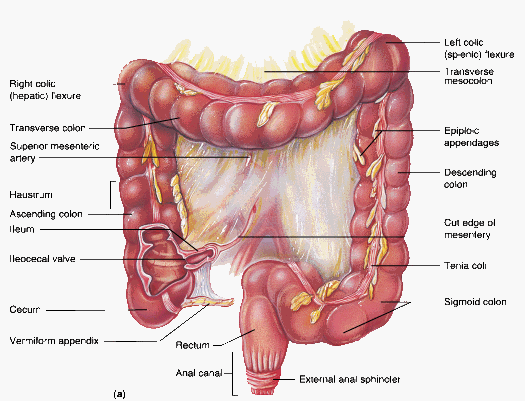
Most specialists now agree that a poorly functioning digestive system is the root cause of most disease. The small intestine is 27 feet long and if spread out covers the entire length of a tennis court. The small intestine must be alkaline (at a pH of 8.2 – 8.5) in order for digestion and absorption of nutrients to successfully occur through the intestinal wall and into the blood stream. There must also be significant numbers of pro-biotics or ‘good bacteria’ to maintain the proper balance of micro-organisms in both the small and large intestines. When the small intestine is acidic from poor acid/alkaline balance and excessive ‘bad bacteria’, digestion will be severely impaired.

Liver
|

Liver

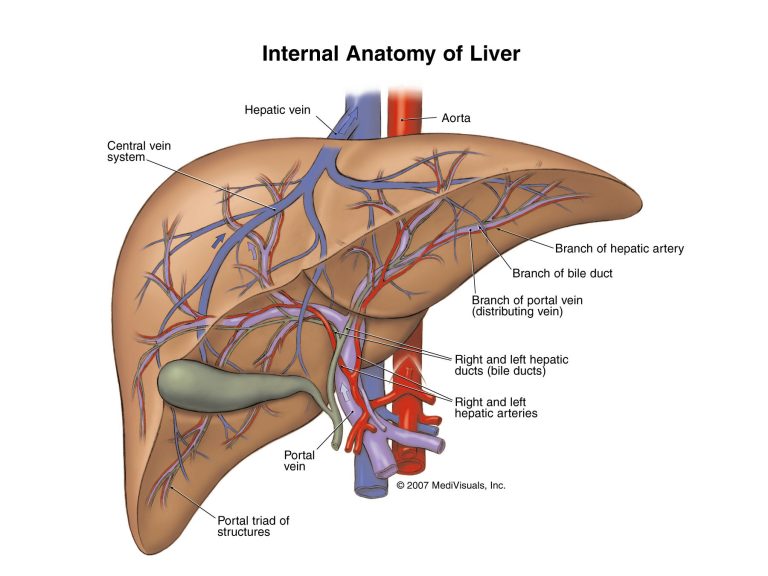
The liver is the largest solid organ in your body. It performs more jobs than any other organ in the body. It creates glucose, the body’s only chemical that gives us pure energy. It creates digestive fluids needed to digest foods. The liver creates hormones, cholesterol, breaks down fat, kills bacteria and viruses; synthesizes protein and stores immune cells, iron, and vitamins A, B-12, D, E, K, and much more.